

Why Are Companies Struggling to Recruit HGV Drivers in 2026? (And How to Fix It)

Why Are Companies Struggling to Recruit HGV Drivers in 2026? (And How to Fix It) 

Recruiting HGV drivers in the UK has become increasingly difficult in 2026. 

Across the transport and logistics sector, businesses are facing: 

  • Fewer qualified applicants 
  • Longer hiring times 
  • Increased competition for drivers 

But the issue isn’t always a shortage of drivers. 

In most cases, it’s a gap between what drivers expect and how companies are recruiting. 

Working with transport businesses across the UK, we’re seeing the same patterns emerge — and the same challenges repeated. 


In this guide, we break down: 

  • Why companies are struggling to recruit HGV drivers 
  • The biggest recruitment challenges in the UK logistics sector 
  • What’s actually working in today’s market 


📉 Why Is It So Hard to Recruit HGV Drivers? 

1. Drivers Have More Choice Than Ever 


Demand for HGV drivers remains high throughout the year but particularly during: 

  • Peak seasons 
  • Events and project work 
  • Bank holidays 


At the same time, driver availability hasn’t increased at the same pace. 

This means drivers can be more selective about the roles they take. 


From what we’re seeing in the market, drivers are prioritising: 

  • Pay 
  • Flexibility 
  • Reliability of work 
  • How they’re treated 


If your offer doesn’t meet expectations, they will simply choose another role. 


2. Pay Expectations Are Rising Across the Industry 

With increases to the National Living Wage and wider market pressure, pay expectations have shifted. 

HGV Drivers are now: 

  • Comparing rates more actively 
  • Expecting clearer pay structures 
  • Moving quickly for better offers 

One of the most common issues we see is unclear or uncompetitive pay — which significantly reduces application quality. 


3. Over-Reliance on Job Boards Is Limiting Results 

Many businesses still rely heavily on job boards. 

While they generate volume, they mainly attract:
âžœ Active job seekers 

However, a large proportion of experienced drivers are:
âžœ Already working and not actively applying 

This is where most businesses fall short. 

From our experience, the highest-quality drivers are often secured through: 

  • Existing networks 
  • Direct engagement 
  • Ongoing relationships 

Not just job boards and adverts.


4. Slow Hiring Processes Are Costing You Drivers


In today’s market, speed is everything. 


Drivers are often considering multiple opportunities at once. 


We regularly see businesses lose strong candidates due to: 

  • Delayed responses 
  • Slow internal processes 
  • Lack of communication 


The reality: the businesses with good communication secure the best drivers. 


5. Poor Candidate Experience Is Driving Drivers Away 


Driver expectations have changed. 


A poor recruitment experience — such as: 

  • No follow-up 
  • Complicated, lengthy onboarding 
  • Lack of clarity 


Leads to immediate drop-off. 


We’ve seen firsthand that improving communication and simplifying the process can dramatically improve both attraction and retention.


6. High Volume, Low Quality Applications


One of the biggest frustrations for transport businesses: 

âžœ Lots of applications — but very few suitable candidates. 


This creates: 

  • Time-consuming screening 
  • Delays in filling roles 
  • Pressure on internal teams


In many cases, businesses are spending more time filtering than actually hiring. 


 The Real Cost of Getting It Wrong 


When driver roles remain unfilled, the impact can be far reaching.


We regularly see this lead to: 

  • Operational disruption 
  • Increased overtime costs 
  • Missed deliveries and contracts 
  • Reduced service levels 


The longer vacancies remain open, the more costly they become. 


How to Recruit HGV Drivers Successfully in 2026 


1. Offer Competitive and Transparent Pay 


Clear, competitive pay remains the biggest driver of applications. 


Ensure your roles include:
✔ Accurate rates
✔ Clear earning potential
✔ No ambiguity 


Even small improvements here can significantly increase response. 


2. Prioritise Communication  


Communication is now a competitive advantage. 


From what we’re seeing across the clients we support, the businesses that:
✔ Respond fastest
✔ Streamline the onboarding
✔ Make quick decisions & communicate effectively


Are consistently securing better drivers. 


3. Work With a Specialist HGV Recruitment Agency 


To access the right drivers, businesses need to go beyond traditional methods.


Specialist recruitment agencies already have:
✔ Established driver networks
✔ Access to both active and passive candidates
✔ Pre-qualified talent pools 


At Elite, for example, we focus on: 

  • Targeted sourcing rather than volume 
  • Pre-screening drivers before submission 
  • Building ongoing relationships with drivers 


This reduces time spent reviewing unsuitable candidates and speeds up hiring. 


4. Improve the Driver Experience 


A better experience leads to better results. 


Drivers are far more likely to engage when:
✔ Communication is clear
✔ The process is simple
✔ Expectations are set early


This is something we prioritise heavily — and it directly impacts placement success and retention. 


5. Focus on Quality, Not Quantity


More applications doesn’t mean better outcomes.


What works is:
➜ Targeting the right drivers
➜ Filtering effectively
➜ Matching based on experience


This is where most time is saved — and results improve. 


6. Use Flexible Hiring Models 


More businesses are now shifting towards: 

  • Temporary drivers 
  • Temp-to-perm models 


These approaches provide flexibility while reducing long-term hiring risk. 


We’re seeing this become one of the most effective strategies in the current market.


7. Build a Driver Pipeline 


Don’t wait until your roles are urgent 

 
✔ Build relationships with Agency’s 
✔ Maintain an active pipeline
✔ Plan ahead for peak periods 


This reduces pressure and improves hiring outcomes. 


Final Thoughts: HGV Recruitment Has Changed


Recruiting HGV drivers in 2026 requires a different approach.


It’s no longer about:
✖ Posting jobs and waiting 


It’s about:
✔ Being proactive
✔ Moving quickly
✔ Using the right channels
✔ Working with the right partners


The businesses that adapt to this shift will continue to secure drivers — even in a competitive market. 

Those that don’t will continue to struggle. 


Need Support With HGV Driver Recruitment?


If you’re struggling to recruit HGV drivers — or simply want to improve your current approach — it’s worth understanding what’s working in the market right now.


We work with transport businesses across the UK, supporting both temporary and permanent driver recruitment. 


If you’d like to discuss your current challenges or upcoming requirements, feel free to get in touch

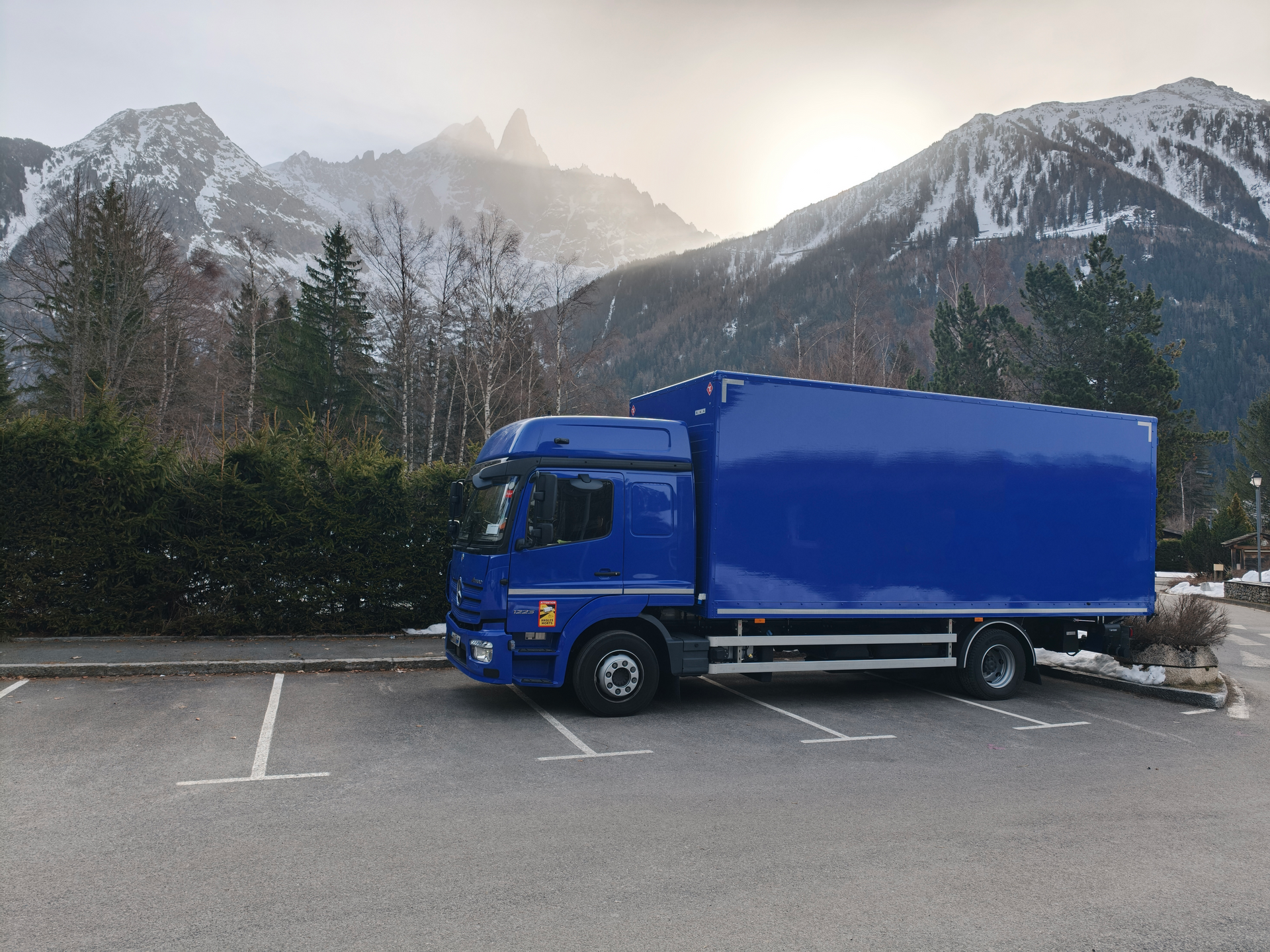
Blue Class 1 truck parked in a mountain lot with snowy peaks in the background.
June 8, 2026
What Makes a Successful Events Logistics Driver? Quick Answer A successful events logistics driver combines professional driving skills with reliability, flexibility, communication, compliance awareness, and the ability to work in fast-paced environments. Unlike traditional HGV roles, events logistics drivers often support festivals, concerts, sporting events, exhibitions, and European tours where timing, professionalism, and problem-solving are critical. The best events logistics drivers are trusted to represent clients, manage time-sensitive deliveries, and adapt to changing schedules while maintaining high safety and compliance standards. What Is an Events Logistics Driver? An events logistics driver is responsible for transporting equipment, staging, lighting, audio systems, production materials, and event infrastructure between venues and locations. Events logistics drivers may work on: Music tours Festivals Sporting events Theatre productions Exhibitions Corporate events European touring projects Unlike standard transport roles, events logistics often requires drivers to operate in highly dynamic environments where schedules can change quickly. What Skills Do Events Logistics Drivers Need? Successful events logistics drivers typically demonstrate: Reliability Events run to fixed schedules. A delayed delivery can impact: Venue build schedules Production crews Event opening times Customer experience Reliability is one of the most important qualities employers look for. Flexibility No two projects are the same. Drivers may find themselves: Working across the UK and Europe Supporting touring productions Managing changing delivery schedules Working at festivals, arenas, and exhibition venues Drivers who embrace variety often thrive in events logistics. Professionalism Events logistics drivers regularly interact with: Clients Venue teams Production managers Event organisers As a result, drivers often represent the logistics provider and wider production team. Professional communication and a positive attitude can be just as important as driving experience. Time Management Events logistics is driven by deadlines. Successful drivers are able to: Manage driving hours Communicate delays proactively Work within strict delivery schedules Strong planning helps keep projects running smoothly. Compliance and Safety Awareness Events environments can be busy and complex. Drivers must maintain high standards of: Driver hours compliance Vehicle safety Load safety & security Site safety awareness Safety and compliance remain essential regardless of how tight deadlines become. Why Are Events Logistics Drivers Different? Events logistics drivers often work in environments where: Delivery times and schedules can change Delays can affect entire productions Client interaction is common International travel may be required Flexibility is essential While all HGV drivers require strong driving, compliance and communication skills, events logistics drivers are often expected to demonstrate additional levels of professionalism, adaptability, and communication. What Are Employers Looking for In Events Logistics Drivers? Employers typically look for drivers who can: ✔ Deliver the Load Safely & Securely ✔ Communicate effectively ✔ Work professionally with clients ✔ Adapt to changing schedules ✔ Maintain compliance standards ✔ Represent the business positively Technical driving ability is important, but attitude and reliability often determine long-term success. What We're Seeing In The Events Logistics Sector At Elite, we've seen growing demand for professional events logistics drivers across both UK and European projects. Clients are increasingly looking for drivers who can do more than move vehicles from A to B. They want drivers who understand the importance of customer service, communication, professionalism, and representing their brand on-site. In many cases, these qualities are what separate good drivers from exceptional ones. Frequently Asked Questions What is an events logistics driver? An events logistics driver transports equipment and infrastructure for events such as festivals, concerts, exhibitions, sporting events, and touring productions. Do events logistics drivers travel internationally? Many events logistics roles involve travel across Europe as part of touring productions and international projects. What qualifications do events logistics drivers need? Most employers require: A valid HGV licence Driver CPC Digital tachograph card Relevant driving experience Is events logistics different from general HGV work? Yes. Events logistics often involves tighter schedules, greater customer interaction, and more varied working environments than traditional transport roles. What is the most important quality for an events logistics driver? Reliability and a positive attitude are often considered the most important qualities because event schedules are highly time-sensitive and delays can happen which will involve waiting at the venue. Final Thoughts  Successful events logistics drivers combine driving expertise with professionalism, flexibility, communication skills, and reliability. As demand for events logistics continues to grow across the UK and Europe, businesses are increasingly looking for drivers who can support projects, represent brands, and operate confidently in fast-moving environments. For drivers looking for variety, travel opportunities, and unique projects, events logistics can be one of the most rewarding sectors within transport and logistics.

Logistics yard with large blue and white HGV truck and truck driver walking towards it
June 2, 2026
Learn how transport businesses can reduce HGV driver shortages this summer with workforce planning, temporary drivers, and recruitment support.

Two people working at computers in an office, one focused on a screen with charts.
May 6, 2026
Not all recruitment agencies are the same. Learn how to choose the right partner for logistics, HGV driver, and event recruitment in the UK.

Show More